
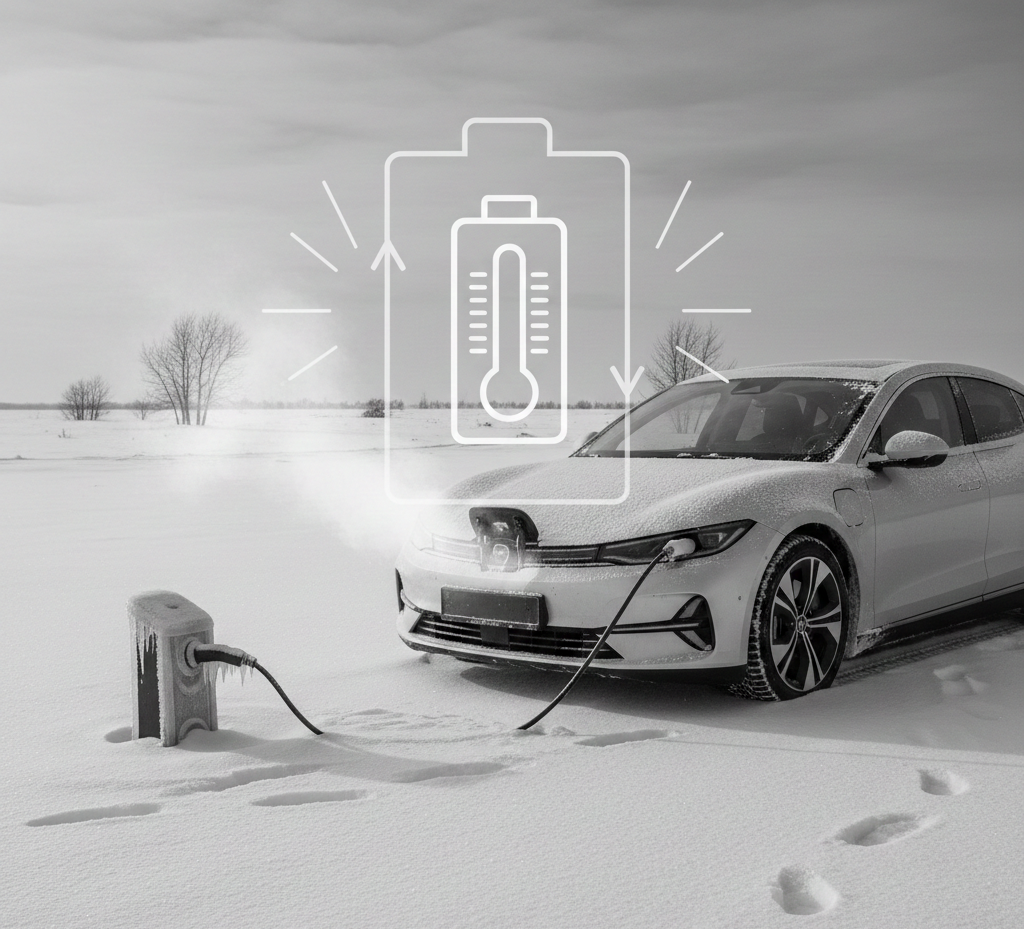
As we navigate towards 2026, electric vehicles (EVs) are becoming an increasingly common sight on roads worldwide. Driven by innovation in battery technology, sophisticated advanced driving assistance systems (ADAS), and a growing ecosystem of convenient subscription services, EVs offer a compelling vision for sustainable personal transport. However, for many owners, particularly those new to the electric revolution, the colder months introduce a set of unique challenges and “hidden costs” that significantly impact daily usability and the overall financial outlay: namely, substantial range loss and increased energy consumption for heating.
Understanding Winter's Impact on EVs
The fundamental physics of battery chemistry and thermodynamics mean that cold weather inherently affects EV performance:
- Battery Efficiency: Lithium-ion batteries perform optimally at warmer temperatures. In cold conditions (below 40°F or 4°C), the electrochemical reactions slow down, reducing power output, charging speed, and the battery’s overall usable capacity. This is akin to a smaller fuel tank for your EV.
- Cabin Heating: Unlike internal combustion engine (ICE) vehicles that use waste heat from the engine to warm the cabin, EVs must generate heat directly from the battery pack. This process is energy-intensive and can be the single largest drain on battery power during winter driving.
- Battery Pre-conditioning: To mitigate the efficiency loss, many EVs actively warm their battery packs, especially when preparing for charging or departure. This pre-conditioning is crucial for optimal performance and faster charging but consumes energy before you even start driving.
Despite advancements by 2026, including more efficient heat pumps and improved thermal management systems, these core challenges persist, making winter operation a distinct consideration.
The Twin Hidden Costs: Range Loss and Increased Charging Expenses
These physical effects translate directly into financial implications for EV owners:
- Significant Range Loss: The combined effect of reduced battery efficiency and energy diverted to cabin and battery heating can lead to a 20% to 40% reduction in driving range compared to ideal summer conditions. This means:
- More Frequent Charging: You'll need to plug in more often, which, if relying on public chargers, can be both inconvenient and more expensive.
- Longer Trips Become Challenging: What was a comfortable single-charge journey in summer might require multiple charging stops in winter, increasing travel time and potential public charging fees.
- Increased Charging Expenses: More frequent charging directly translates to higher electricity bills. Furthermore, charging itself can be less efficient in the cold, meaning more electricity is drawn from the grid to achieve the same state of charge. Public DC fast chargers, while faster, can be significantly more expensive per kilowatt-hour, and their speeds are often throttled in very cold weather to protect the battery, leading to longer, costlier charging sessions.
“By 2026, EV owners in colder climates are well aware that the advertised range figures are best-case scenarios. Winter driving requires a more strategic approach to charging and energy management.”
Quantifying the Impact: A Hypothetical Winter (2026)
Let’s consider a hypothetical EV owner driving 1,000 miles per month during a three-month winter period, with an average electricity cost of $0.15/kWh and a baseline consumption of 3.5 miles/kWh in ideal conditions. A standard EV might have a 60 kWh usable battery.
| Factor | Summer Driving (Baseline) | Winter Driving (Est. 30% Range Loss) | Additional Cost (per month) |
|---|---|---|---|
| Miles/kWh | 3.5 | 2.45 (30% reduction) | N/A |
| kWh needed for 1,000 miles | 285.7 kWh | 408.2 kWh | N/A |
| Monthly Electricity Cost | $42.86 | $61.23 | $18.37 |
| Total Additional Winter Cost (3 months) | $55.11 (from home charging alone) | ||
| Potential Public Charging Costs (2x $20 sessions) | $40.00 (if home charging is insufficient) | ||
| Overall Est. Additional Winter Spend | $95.11+ | ||
Note: These figures are illustrative and highly dependent on local electricity rates, specific EV model, driving habits, and ambient temperatures. Public charging costs can significantly inflate this.
Mitigating Winter's Hidden Costs
EV owners can adopt several strategies to minimize winter expenses:
- Pre-condition While Plugged In: Use your EV's app or in-car scheduler to warm the cabin and battery while connected to a charger. This uses grid power instead of battery power.
- Utilize Seat and Steering Wheel Heaters: These are far more energy-efficient than heating the entire cabin.
- Drive Smoothly: Gentle acceleration and maximizing regenerative braking can help conserve energy.
- Keep Battery Charged: Avoid letting your EV sit with a very low state of charge in extreme cold, as this can stress the battery.
- Invest in a Heat Pump: By 2026, many EVs feature heat pumps, which are significantly more efficient than resistive heaters for cabin heating, especially in moderate cold.
- Install Level 2 Home Charger: This allows for more consistent and efficient charging, making pre-conditioning easier and more effective.
Conclusion
While the electric vehicle offers a progressive and exciting driving experience, winter operation introduces a set of real, quantifiable challenges. The hidden costs of reduced range and increased energy consumption for heating mean a higher financial outlay during colder months. Understanding these factors and proactively adopting mitigation strategies are key for a seamless EV ownership experience. To gain a complete financial picture, including seasonal variations, it's always recommended to use a "Total Cost of Ownership" (TCO) calculator.