
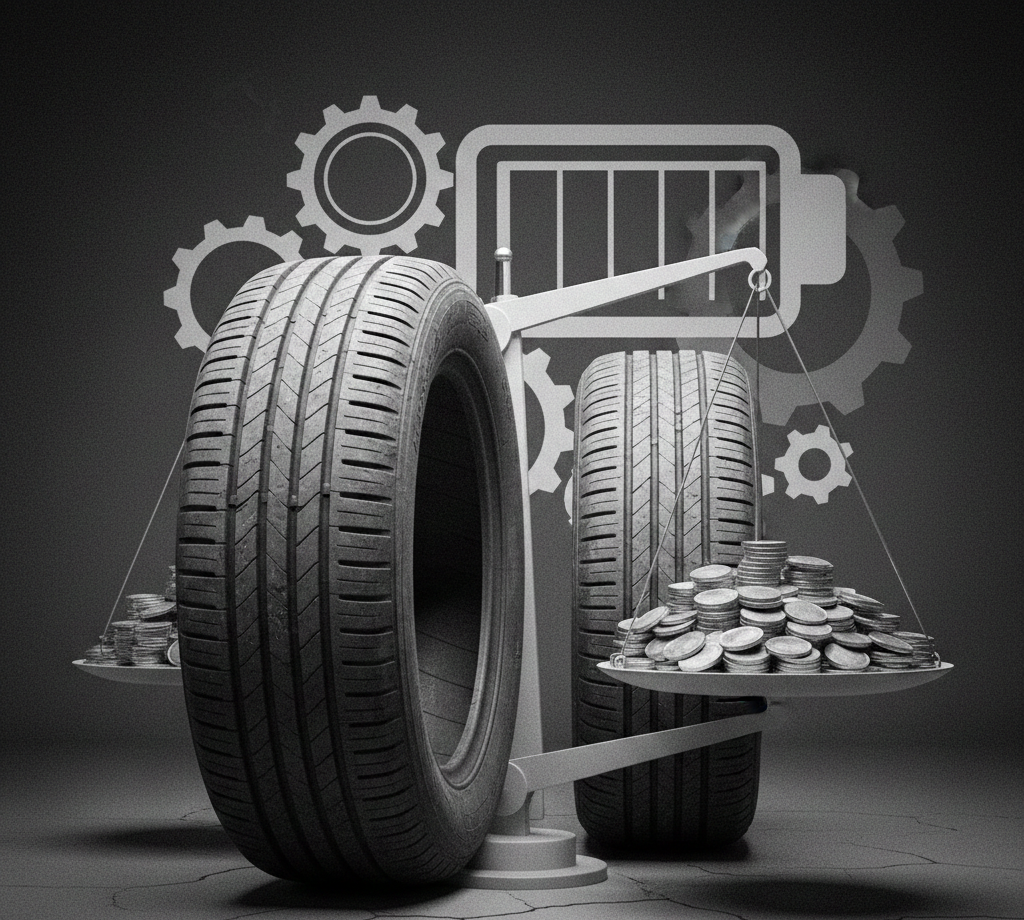
As we approach 2026, the electric vehicle (EV) market is flourishing, driven by technological advancements, impressive performance, and environmental consciousness. Modern EVs come equipped with sophisticated advanced driving assistance systems (ADAS), and a growing number of features are offered through convenient subscriptions, enhancing the overall user experience. However, beneath the sleek design and silent propulsion lies a less-talked-about aspect of EV ownership that significantly impacts the total cost of ownership: the tires. EV tires often wear out faster and come with a higher price tag than their counterparts on internal combustion engine (ICE) vehicles, a fact that prospective and current owners must consider in their financial planning.
Understanding the "EV Tire Problem"
The accelerated wear of EV tires is not an inherent flaw but a direct consequence of the very characteristics that make electric vehicles appealing:
- Increased Weight: Batteries are heavy. A typical EV can weigh 500 to 1,500 pounds more than a comparable ICE vehicle. This additional mass puts significantly more stress on the tires, particularly during acceleration, braking, and cornering, leading to faster tread wear.
- Instant Torque: Electric motors deliver instant and often immense torque from a standstill. This provides exhilarating acceleration but also subjects tires to higher shear forces, especially when drivers frequently utilize the full power available.
- Regenerative Braking: While regenerative braking helps extend range and reduces wear on traditional brake pads, it transfers braking forces primarily to the tires, often unevenly. The front tires, in particular, can experience increased stress from this system.
“By 2026, consumers are increasingly aware that the performance benefits of EVs come with specialized maintenance needs, and tire management is at the top of that list.”
Why EV Tires Are Different and More Expensive
Tire manufacturers haven't ignored these challenges. They've developed specialized EV tires designed to mitigate these issues, but this specialization comes at a cost:
- Reinforced Structure: To cope with the heavier vehicle weight, EV tires feature stronger sidewalls and robust construction, which adds to manufacturing complexity and material costs.
- Low Rolling Resistance: To maximize range, EV tires are engineered with compounds and tread patterns that minimize rolling resistance. While good for efficiency, these softer, more aerodynamic designs can sometimes compromise on outright longevity compared to harder conventional tire compounds.
- Noise Reduction: EVs are inherently quiet. To prevent road noise from becoming prominent in the cabin, EV tires often incorporate noise-dampening technologies, such as foam inserts or specialized tread designs, adding to their complexity and cost.
- Specific Rubber Compounds: Tire manufacturers develop unique rubber blends that strike a balance between grip (for instant torque), low rolling resistance (for range), and durability (for weight). Achieving this delicate balance requires advanced materials and research, contributing to higher prices.
The Financial Impact: 2026 Projections
Considering an average annual mileage of 12,000 miles, here’s a hypothetical comparison of tire costs over three years:
| Vehicle Type | Avg. Tire Price (per tire) | Avg. Tire Life (miles) | Replacements in 3 years (36,000 miles) | Est. Total Tire Cost (3 years) |
|---|---|---|---|---|
| Standard ICE Sedan | $150 | 45,000 | 1 set (approx.) | $600 |
| Standard EV Sedan | $250 | 25,000 | 1.5 sets (approx.) | $1,500 |
Note: These figures are illustrative and vary based on tire brand, vehicle model, driving style, and local market conditions. The "1.5 sets" for EV implies a partial replacement or an additional full set within the 3-year period.
Strategies to Extend EV Tire Life
While EV tires are inherently subject to more wear, owners can adopt practices to maximize their lifespan and reduce replacement frequency:
- Regular Tire Rotations: Due to uneven wear patterns (especially from regenerative braking), rotating tires every 5,000 to 7,500 miles is crucial.
- Maintain Proper Tire Pressure: Correct inflation is vital for safety, efficiency, and even wear. Check your EV’s specific recommendations.
- Mindful Driving Habits: Smooth acceleration and braking, avoiding aggressive cornering, can significantly reduce stress on tires. Utilize “Chill” or “Eco” modes if available.
- Choose the Right Tires: When replacing, opt for EV-specific tires or those designed for high-performance, heavy vehicles. While pricier upfront, they are engineered for the demands of an EV.
Conclusion
The rapid evolution of electric vehicles brings numerous advantages, but it also introduces new considerations for owners. The faster wear and higher cost of specialized EV tires represent a significant, yet often overlooked, component of ownership expenses. As the EV market matures by 2026, understanding and planning for these tire-related costs is essential for a realistic financial outlook. To ensure a comprehensive understanding of your vehicle's ongoing expenses, including these specialized components, it's always wise to consult a "Total Cost of Ownership" (TCO) calculator.