
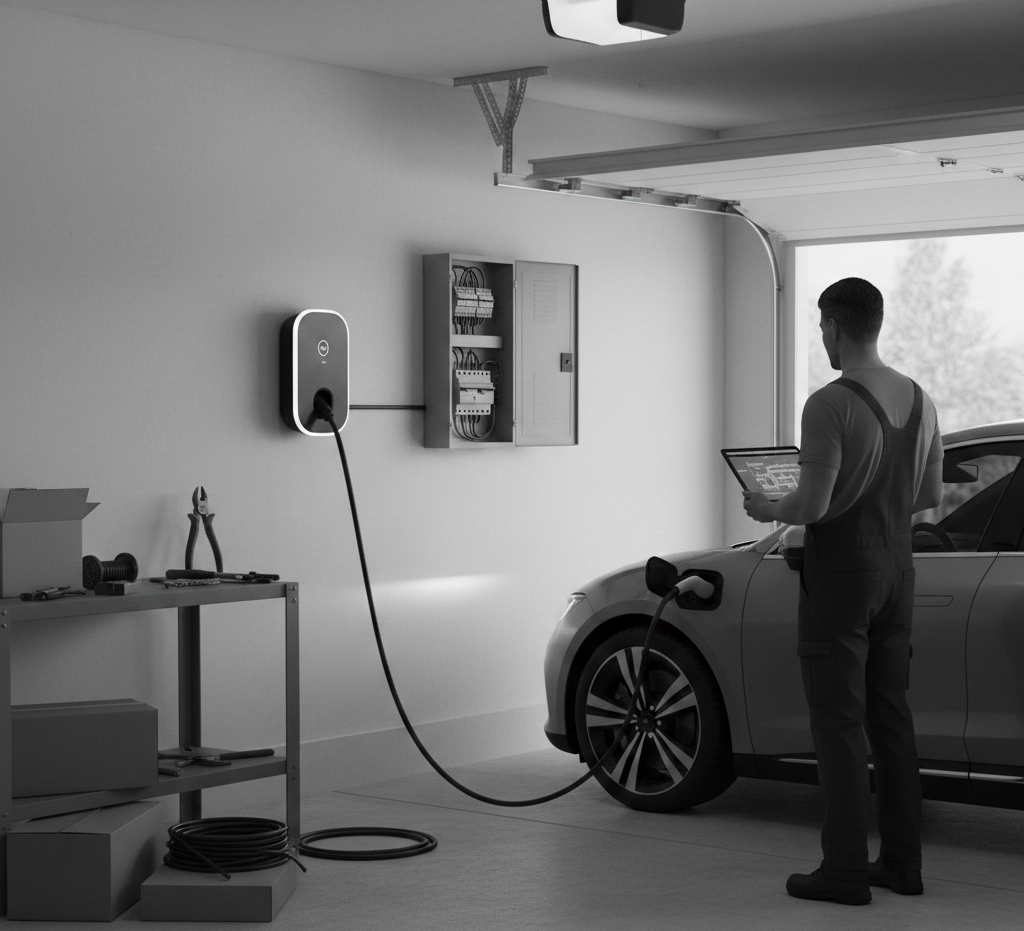
As we approach 2026, the electric vehicle (EV) market continues its rapid expansion. With more advanced driving assistance systems (ADAS) becoming standard and a growing array of subscription-based features enhancing the driving experience, the appeal of EVs is stronger than ever. However, for many prospective and current EV owners, the convenience and economics of charging remain a critical consideration. While public charging infrastructure is growing, the ultimate convenience comes from home charging. Specifically, installing a Level 2 home charging station offers significantly faster charging than a standard wall outlet (Level 1), but it comes with an initial installation cost that requires careful budgeting and understanding.
The Benefits of Level 2 Home Charging
Investing in a Level 2 charger—also known as a 240-volt charger—provides several compelling advantages:
- Speed: A Level 2 charger can typically add 25 to 40 miles of range per hour, fully charging most EVs overnight. This is far superior to Level 1, which might only add 3-5 miles per hour.
- Convenience: Wake up every morning with a “full tank” without having to visit public charging stations. This integrates seamlessly into daily routines.
- Cost Savings: While there's an upfront installation cost, charging at home, especially during off-peak hours, is almost always more economical than relying on public Level 2 or DC fast chargers.
- Battery Health: Slower, consistent charging via Level 2 can be gentler on your EV’s battery over the long term compared to frequent DC fast charging.
Key Components of Installation Costs
The total cost of installing a Level 2 charging station is not just the price of the charger itself. Several factors contribute to the overall expenditure:
- Charger Unit (EVSE): The Electric Vehicle Supply Equipment (EVSE) unit typically ranges from $400 to $1,000. Basic units are less expensive, while smart chargers with Wi-Fi connectivity, app control, and energy monitoring capabilities fall on the higher end. By 2026, smart features are becoming standard, offering integration with home energy management systems.
- Electrical Work: This is often the most variable and potentially expensive part. A Level 2 charger requires a dedicated 240-volt circuit, similar to an electric dryer or oven.
- Panel Capacity: Your home’s existing electrical panel must have sufficient capacity (usually 50-60 amps available). Older homes or those with fully loaded panels may require an electrical panel upgrade, which can add significantly to the cost.
- Wiring: The distance from your electrical panel to the desired charging location (e.g., garage, driveway) affects the amount of wiring needed. Longer runs, especially those requiring trenching for outdoor installations, increase labor and material costs.
- Labor: A licensed electrician is crucial for safe and compliant installation. Their fees vary based on local rates and the complexity of the job.
- Permits and Inspections: Most localities require permits for electrical modifications, and subsequent inspections ensure the installation meets safety codes. These costs usually range from $50 to $200.
Estimating Costs: A Detailed Breakdown (2026 Projections)
Here’s a breakdown of potential costs you might encounter by 2026, considering various installation scenarios:
| Scenario | EVSE Unit Cost | Electrical Work (Materials & Labor) | Permits & Inspection | Total Estimated Cost |
|---|---|---|---|---|
| Simple (Garage near panel, sufficient capacity) | $400 - $700 | $500 - $1,000 | $50 - $150 | $950 - $1,850 |
| Moderate (Distant location, minor panel work) | $500 - $800 | $1,200 - $2,500 | $100 - $200 | $1,800 - $3,500 |
| Complex (Panel upgrade, extensive wiring/trenching) | $600 - $1,000 | $2,500 - $6,000+ | $150 - $300 | $3,250 - $7,300+ |
Note: These are estimated ranges for 2026. Actual costs can vary based on geographic location, electrician rates, and specific home requirements.
“Investing in a Level 2 home charging station is not just about convenience; it’s a strategic decision that significantly enhances the long-term cost-effectiveness and enjoyment of your electric vehicle, often becoming a crucial selling point by 2026.”
Factors Influencing Your Specific Costs
To get an accurate estimate, consider these specific aspects of your home:
- Home’s Age and Electrical Infrastructure: Older homes are more likely to require panel upgrades.
- Location of Panel vs. Parking: The farther your charging spot is from the main electrical panel, the more expensive the wiring will be. Outdoor installations needing conduit and trenching are typically more costly.
- Local Regulations and Incentives: Check with your local utility and government for potential rebates or tax credits for EVSE installation, which can significantly offset costs. Many areas offer incentives to encourage EV adoption.
Maximizing Your Investment and Future-Proofing
As the EV landscape evolves, consider smart features for your EVSE. By 2026, many smart chargers can integrate with home energy management systems, allowing you to schedule charging during off-peak hours to minimize electricity costs. Some even offer Vehicle-to-Grid (V2G) or Vehicle-to-Home (V2H) capabilities, potentially turning your EV into a mobile power bank or a source of revenue by selling energy back to the grid. While these technologies are still emerging for widespread consumer adoption, choosing a future-compatible unit can enhance your investment.
Conclusion
Installing a Level 2 home charging station is a foundational investment for any EV owner, offering unparalleled convenience and long-term savings. While initial costs can range widely based on your home’s electrical setup and location, understanding these variables is key to planning effectively. Don't let the upfront expense deter you from the significant benefits. To truly grasp the financial implications of EV ownership, including charging infrastructure, it's highly recommended to utilize a "Total Cost of Ownership" (TCO) calculator.