
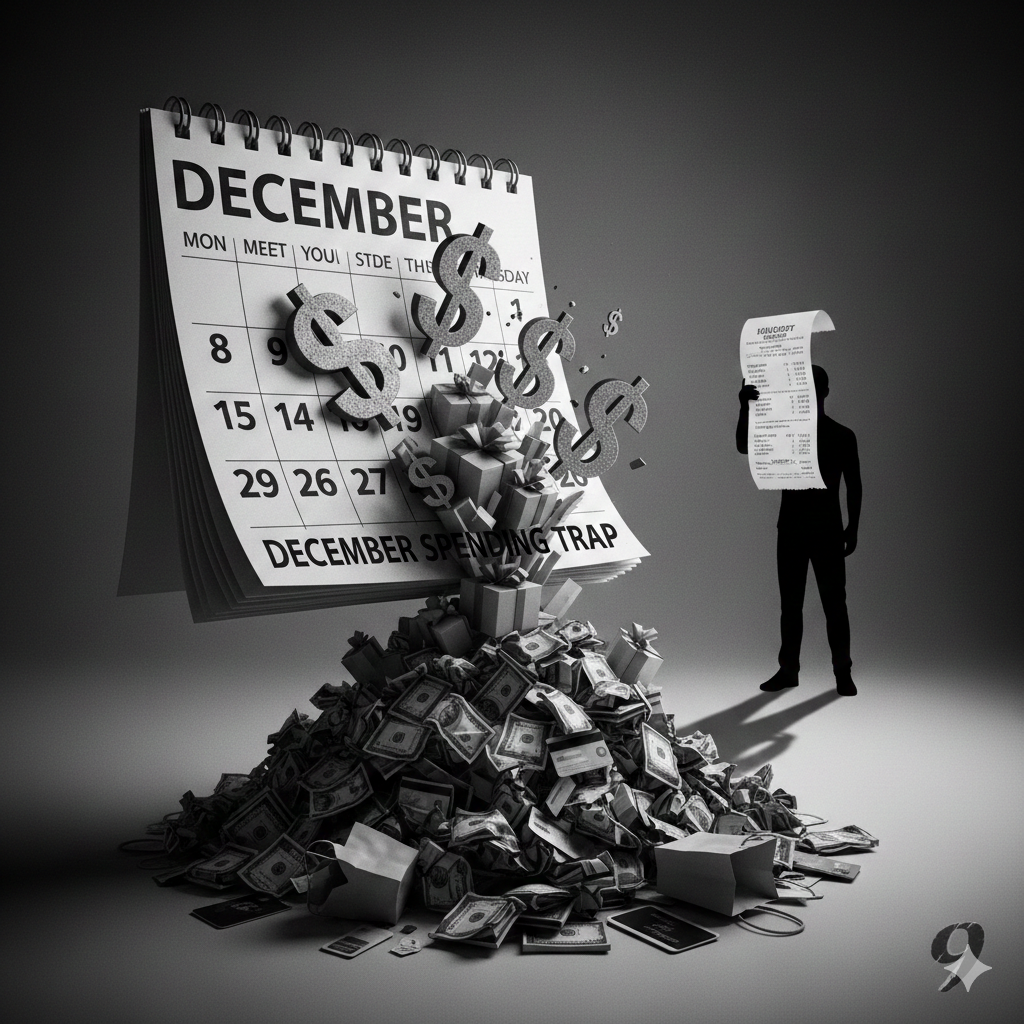
As we approach December 2026, the festive spirit is palpable, yet for many, it's also accompanied by a familiar dread: the annual financial squeeze. Despite advancements in personal finance management, the rise of electric vehicles (EVs) with their associated advanced driving assistance systems (ADAS) and diverse subscription services influencing our daily lives, December consistently holds its title as the most expensive month of the year. This isn't merely anecdotal; it's a pattern driven by a potent mix of cultural traditions, retail strategies, and a unique set of seasonal expenses that conspire to lighten our wallets. Understanding these underlying forces is the first step toward reclaiming control over your holiday budget.
Why December Routinely Drains Your Wallet
Several factors converge in December to create a perfect storm for overspending:
- Psychological Factors: The holiday season evokes emotions of generosity, joy, and a desire to create memorable experiences. This often leads to increased impulse buying and a relaxed attitude towards spending. The "fear of missing out" (FOMO) on festive activities or the perfect gift is a powerful motivator.
- Concentrated Events: December is packed with social gatherings, from corporate parties to family reunions and New Year’s celebrations. Each event typically carries an associated cost, whether for gifts, attire, or contributions to shared meals.
- End-of-Year Deadlines: Many people use the end of the year to complete annual goals, which might include travel, large purchases, or even home improvements before the year concludes.
“December isn’t just a month; it’s a financial vortex where goodwill and consumerism collide, often leaving wallets significantly lighter by the New Year.”
The Gift-Giving Extravaganza
Gifts are undeniably a primary driver of December's high costs. Retailers capitalize on this with aggressive marketing campaigns that begin even before the month starts, with Black Friday and Cyber Monday sales in late November setting the stage for continuous spending. By 2026, this pressure extends to digital gifts, subscriptions for entertainment (streaming services, gaming passes), or even "Car-as-a-Service" trials that might convert to paid plans. The sheer volume of people to buy for, coupled with a desire to find the "perfect" (often expensive) item, pushes budgets to their limits.
Festive Feasts and Entertainment
Food and drink expenses skyrocket in December. Whether you're hosting a grand New Year's dinner, attending multiple potlucks, or simply stocking up on festive treats, grocery bills expand dramatically. Dining out also becomes more frequent and often pricier due to seasonal menus and special events. The costs of ingredients for traditional dishes, premium beverages, and catering services (if opted for) all contribute to a bloated food budget. Moreover, entertainment expenses—concerts, theater shows, ice skating, or elaborate party supplies—add another layer of spending.
Travel and Accommodation
For many, December means traveling to be with family or to escape the winter chill. Airfare, train tickets, and gasoline prices (especially for longer journeys) tend to be at their peak during this period. For EV owners, while fuel costs might be lower, the demand for public fast chargers on popular routes can lead to higher per-kWh rates and potentially longer travel times due to congestion. Accommodation prices also surge, whether for hotels, short-term rentals, or even pet-sitting services if you're away. The convenience offered by advanced ADAS features on modern vehicles can make long drives safer and more comfortable, but the underlying travel costs remain high.
Hidden and Emerging Costs (2026 Context)
Beyond the obvious categories, December presents several less apparent financial drains:
- Increased Utility Bills: In many regions, December is colder, leading to higher heating costs. Smart home systems and smart thermostats, while efficient, still mean you're paying for more energy consumption.
- Seasonal Subscriptions: You might subscribe to a new streaming service for holiday movies, a gaming pass for a new release, or even a temporary "performance boost" for your EV, often leading to recurring charges if not carefully managed.
- Decorations and Home Upgrades: Lights, ornaments, and other festive décor are annual purchases that can surprisingly add up. Some homeowners also choose December for small home improvements to prepare for guests.
- "Just in Case" Spending: The tendency to buy extra food, drink, or even gifts, just in case, contributes to waste and unnecessary expense.
Typical December Spending Breakdown (2026 Estimates)
Here’s an illustrative breakdown of typical holiday season expenses for an average household:
| Category | Estimated Spending Range |
|---|---|
| Gifts | $400 - $1,000+ |
| Food & Drink | $200 - $600 |
| Travel & Transport | $150 - $800+ |
| Entertainment & Socializing | $100 - $300 |
| Decorations & Utilities | $50 - $200 |
| Total Estimated December Spending | $900 - $2,900+ |
Note: These figures are illustrative for 2026 and can vary significantly based on household income, lifestyle, and geographic location.
Conclusion
December's status as the year's most expensive month is a confluence of social expectations, aggressive marketing, and genuine desires for festive joy. By 2026, while technology enhances many aspects of our lives, it also introduces new avenues for spending, particularly through subscriptions and digital entertainment. Taking a proactive and analytical approach to budgeting—much like evaluating the "Total Cost of Ownership" (TCO) for a major investment like an EV—can empower you to enjoy the holiday season without the accompanying financial strain. Plan ahead, prioritize your spending, and leverage smart tools to ensure your December joy isn't overshadowed by financial stress.