
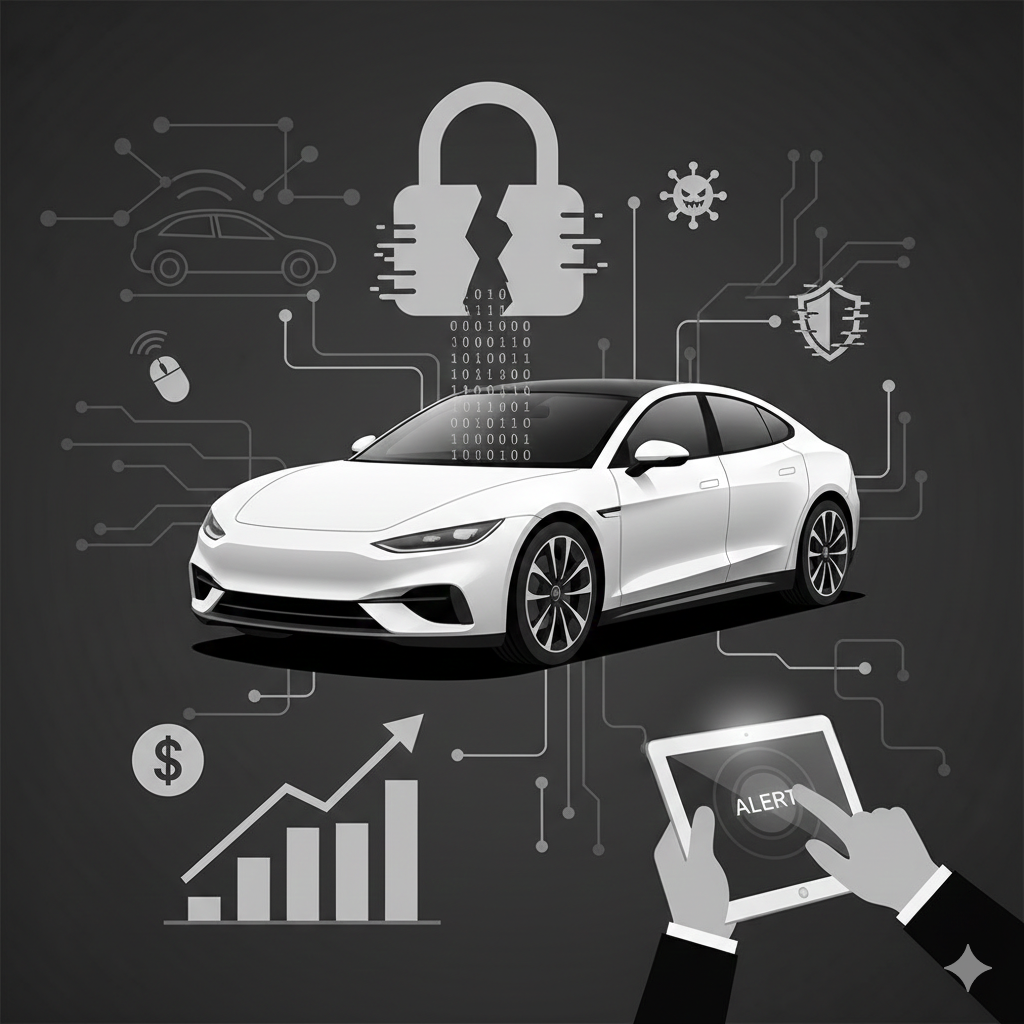
By 2026, the automotive landscape is characterized by hyper-connectivity. Electric vehicles (EVs) are mainstream, advanced driving assistance systems (ADAS) are increasingly sophisticated, and a vast array of features are delivered via software subscriptions. This digital evolution, while enhancing convenience and performance, simultaneously transforms our cars into complex computer networks, making them susceptible to cyber threats. Consequently, cybersecurity is no longer an abstract concept confined to IT departments; it's emerging as a tangible, new line item in the total cost of ownership (TCO) for the modern vehicle owner.
The Connected Car in 2026
Today's vehicles are far more than mere mechanical conveyances. They are data-rich, networked devices. Consider the typical EV of 2026:
- Over-the-Air (OTA) Updates: Essential for software fixes, new features, and performance enhancements.
- Infotainment Systems: Integrated with smartphones, cloud services, and streaming platforms.
- ADAS: Relies on a multitude of sensors, cameras, and radar, all processing and transmitting data.
- Vehicle-to-Everything (V2X) Communication: Enabling cars to communicate with infrastructure and other vehicles for enhanced safety and traffic management.
- Personal Data: Storing navigation history, driving habits, biometric data (for personalized settings), and linked payment information.
Each connection point, every line of code, represents a potential vulnerability, creating a fertile ground for malicious actors.
Why Cybersecurity is Crucial
The risks associated with automotive cyber vulnerabilities are multi-faceted and severe:
- Data Breaches: Personal information, driving patterns, and even financial data can be stolen.
- Remote Control & Manipulation: Malicious actors could potentially gain unauthorized access to critical vehicle functions, posing severe safety risks.
- Theft: Sophisticated cyber methods can bypass traditional security, enabling vehicle theft.
- Ransomware: Cars could be held hostage, rendering them inoperable until a ransom is paid.
- Privacy Concerns: Extensive data collection by manufacturers and third parties raises questions about who has access to your information and how it's used.
“In 2026, a car’s digital defenses are as critical as its physical brakes. Ignoring cybersecurity is no longer an option for safety or financial well-being.”
New Costs for Owners
As vehicle cybersecurity matures, owners are increasingly bearing direct and indirect costs:
- Manufacturer's Connected Security Subscriptions: Many automakers offer premium connectivity packages that bundle cybersecurity updates, secure OTA transmissions, remote monitoring, and emergency services. These are becoming standard annual or monthly fees.
- Enhanced ADAS & Software Security Updates: Beyond basic vehicle software, specialized security for ADAS components (e.g., ensuring autonomous features aren't tampered with) may fall under separate, often mandatory, service plans.
- Advanced Data Privacy Protection: As concerns grow, some services might emerge offering enhanced anonymization or control over your vehicle's data streams, potentially for a fee.
- Increased Insurance Premiums (Cyber Risk Component): Insurers are beginning to factor in cyber risk. Policies may include add-ons or higher base premiums to cover potential cyber-related theft, damage, or data breach liabilities.
- Vulnerability Patching & Diagnostics: While major recalls for software vulnerabilities are often covered, owners might face costs for dealer visits or specialized diagnostics if a non-critical but persistent cyber glitch arises outside of a warranty.
Estimated Annual Cybersecurity Expenses (2026)
Here’s a hypothetical breakdown of potential annual cybersecurity-related costs for a modern EV owner in 2026:
| Cybersecurity Service/Item | Estimated Annual Cost |
|---|---|
| Manufacturer's Connected Security Suite | $100 - $300 |
| Enhanced ADAS Software Security Updates | $50 - $150 (often bundled) |
| Advanced Data Privacy Protection (Optional) | $30 - $80 |
| Increased Insurance Premium (Cyber Risk Component) | $20 - $100 |
| Total Estimated Annual Cybersecurity Expense | $200 - $630 |
Note: These figures are illustrative and can vary significantly based on vehicle brand, model, features, and geographic location. Many core security elements are mandated by regulations, but premium services or enhanced protections will be extra.
Mitigating the Risks (and Costs)
Owners can take steps to protect their vehicles and potentially manage costs:
- Keep Software Updated: Always accept manufacturer-recommended OTA updates, as they often contain critical security patches.
- Use Strong Passwords: For connected apps and in-car systems, use unique, strong passwords and multi-factor authentication.
- Be Wary of Third-Party Modifications: Aftermarket accessories or software tweaks can introduce vulnerabilities.
- Review Data Sharing Settings: Understand and manage your vehicle's privacy settings to control what data is shared.
- Research Before Buying: Investigate a manufacturer’s cybersecurity track record and their subscription models before purchasing.
Conclusion
The dawn of the fully connected, software-defined vehicle, prominent by 2026, brings with it an imperative for robust cybersecurity. This protection, while vital for safety, privacy, and vehicle integrity, will increasingly translate into direct financial expenditures for owners. Understanding "Car Cybersecurity" as a new and non-negotiable expense item is crucial for a realistic assessment of a modern vehicle's total cost of ownership. To ensure a comprehensive financial plan that accounts for these evolving costs, always utilize a "Total Cost of Ownership" (TCO) calculator.