
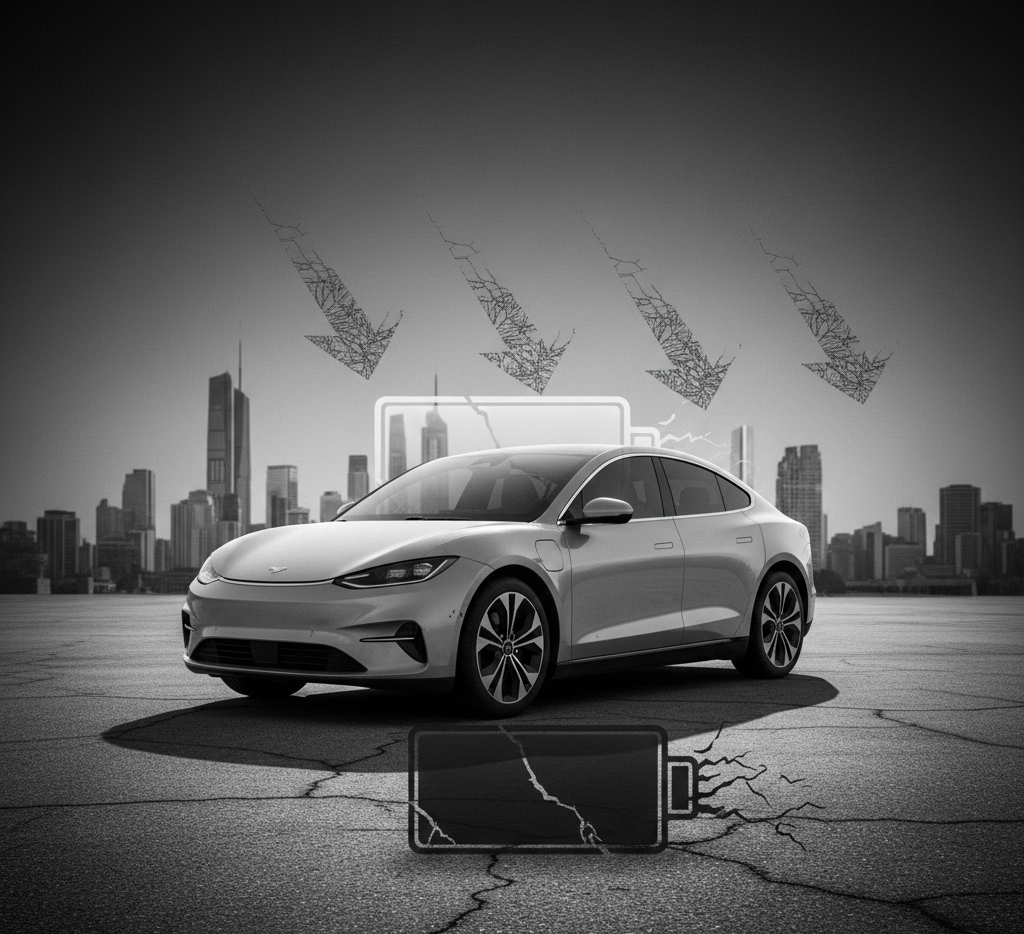
The electric vehicle (EV) revolution is accelerating, with projections for 2026 showing a significant increase in market share. While the immediate benefits of EVs—reduced emissions, lower fuel costs, advanced driving aids (ADAS), and connected services often offered via subscriptions—are well-publicized, a crucial aspect often overlooked by prospective buyers is the “hidden cost” of battery degradation on a vehicle’s long-term value, especially at the three-year mark. As the EV market matures, understanding this factor becomes paramount for owners looking to resell their vehicles.
Understanding Battery Degradation
Battery degradation refers to the irreversible loss of a battery’s ability to hold a charge over time. This means a reduced range and, eventually, slower acceleration or power delivery. Factors influencing degradation include:
- Charging habits: Frequent fast charging or regularly charging to 100% and discharging to near 0% can accelerate wear.
- Climate: Extreme hot or cold temperatures put stress on battery packs.
- Mileage and age: Higher mileage and simply the passage of time contribute to capacity loss.
Industry data for vehicles manufactured around 2023-2024 suggests that by 2026, a 3-year-old EV might typically experience 5% to 15% battery capacity loss.
The 3-Year Resale Value Cliff
After three years, many car owners consider upgrading. For traditional internal combustion engine (ICE) vehicles, depreciation is predictable. For EVs, battery degradation adds a complex layer. A significant drop in range due to degradation can deter potential buyers, who often prioritize range anxiety. Furthermore, the perceived lifespan of the battery pack itself becomes a concern, influencing offers.
“In 2026, a pre-owned EV’s appeal will be inextricably linked to its remaining battery health. Buyers are increasingly savvy about range and charging capabilities, making battery degradation a primary negotiation point.”
Factors Amplifying the Problem by 2026
The rapid pace of technological innovation exacerbates the issue:
- Rapid EV Advancements: By 2026, newer models will likely boast significantly longer ranges, faster charging speeds, and improved battery chemistry, making 3-year-old EVs with degraded batteries seem comparatively outdated.
- ADAS and Software Subscriptions: Many advanced driver-assistance systems (ADAS) and convenience features are shifting towards subscription models. While appealing to first owners, the transferability and cost of these subscriptions for a second owner might reduce the perceived value of the used vehicle, especially if the software stack is tied to the original owner or requires reactivation fees.
- Battery Replacement Costs: The ultimate hidden cost. If degradation is severe (e.g., beyond warranty limits or if a buyer prefers a fresh battery), replacement costs can range from $10,000 to over $20,000, depending on the model and battery size. This cost is directly factored into the used market valuation.
Quantifying the Impact
Let’s consider a hypothetical EV purchased new for $55,000 in 2023, now being resold in 2026.
| Battery Degradation Level | Impact on Resale Value (Hypothetical) | Total Resale Value (Example EV) |
|---|---|---|
| Minimal (5%) | Likely minor impact, perhaps $1,000 - $2,500 discount | ~$33,000 - $35,000 |
| Moderate (10%) | Significant impact, $2,500 - $5,000 discount | ~$30,000 - $32,500 |
| Severe (15%+) | Substantial impact, $5,000 - $10,000+ discount (potential replacement cost consideration) | ~$25,000 - $30,000 |
Note: These figures are illustrative and vary widely based on EV model, brand reputation, mileage, and market demand. Initial depreciation also plays a major role.
Mitigating the Risk
As an owner, you can actively manage battery health:
- Moderate Charging: Avoid frequent DC fast charging. Keep charge levels between 20% and 80% for daily use.
- Climate Control: If possible, park in shaded or garaged areas during extreme temperatures.
- Regular Maintenance: Follow manufacturer recommendations for software updates and service checks.
- Monitor Health: Utilize in-car apps or OBD-II readers to track your battery’s State of Health (SoH).
Conclusion
The enthusiasm for electric vehicles is undeniable, but it’s crucial for consumers to look beyond the initial purchase price and understand the full lifecycle costs. By 2026, battery degradation will be a more prominent factor in the used EV market, directly influencing resale values. Prospective buyers and current owners alike must factor this into their financial planning. To gain a comprehensive understanding of your potential EV investment, always leverage a "Total Cost of Ownership" (TCO) calculator.